

Kai – Master of Zen Painting
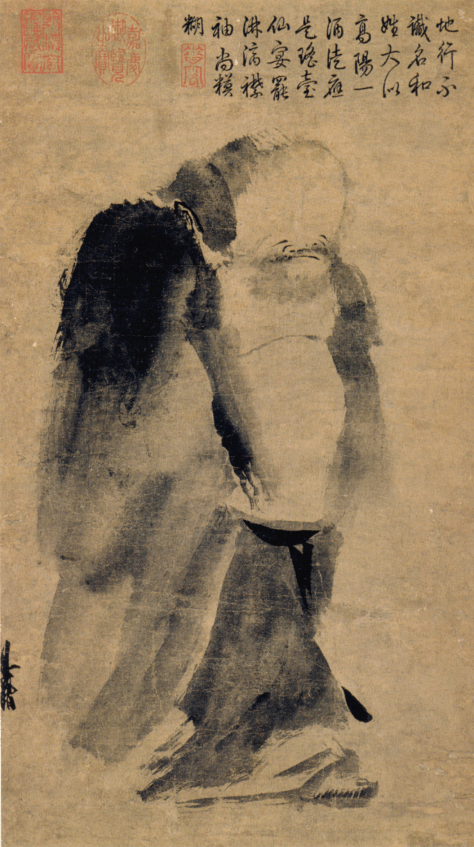
Liang Kai(Chinese: 梁楷) , also known as Madman Liang, was a renowned Chinese painter during the Southern Song Dynasty. While the details of his birth and death remain unknown, his artistic contributions have left a lasting legacy. Hailing from Shandong and based in Lin An (later Hangzhou), Liang Kai studied under the tutelage of the esteemed master Jia Shigu.
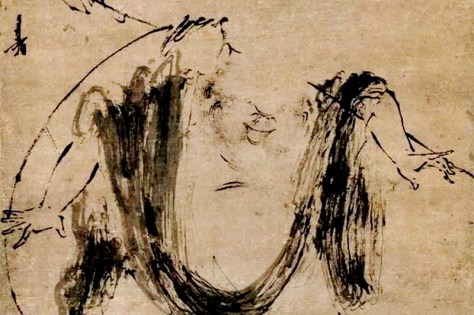
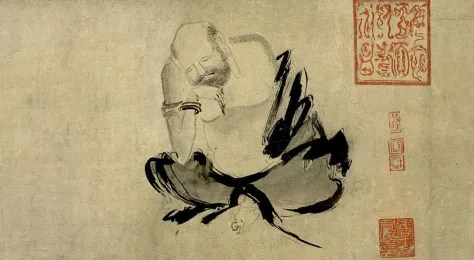
During his time at the court of Jia Tai (1201-1204 CE, Southern Song Dynasty), Liang Kai achieved the esteemed rank of Painter-in-Attendance. His mastery encompassed various subjects, including figures, landscapes, and other minor elements. However, he is particularly renowned for his role in originating or advancing the “Xie Yi” style of painting. This unique style aims to evoke subjects or atmospheres with minimal use of detail, relying on profound painting technique and unwavering concentration. It also allows for the serendipitous beauty of accidental effects.
In a significant turn of events, Liang Kai relinquished his court position to devote himself to the practice of Chan Buddhism. The Xie Yi style of painting became closely intertwined with the principles of “sudden enlightenment,” “mindfulness,” and “spontaneity” associated with this Buddhist school.
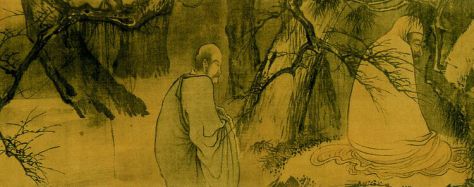
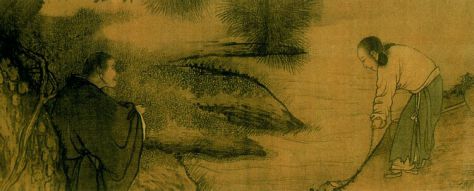
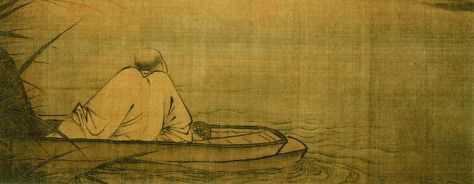
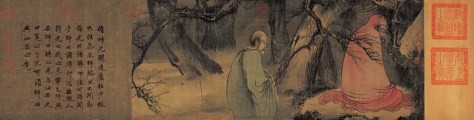
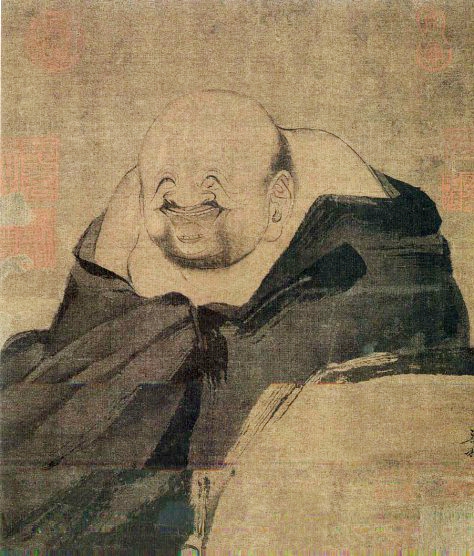
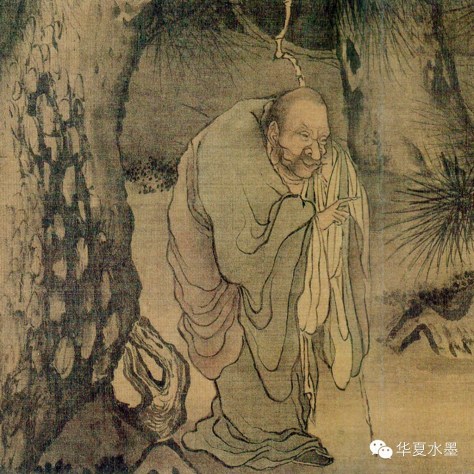
Among the notable works attributed to Liang Kai are a painting depicting the poet Li Bai, the Drunken Celestial (also known as A Sage), The Sixth Patriarch Cutting Bamboo, and a series known as the Eight Eminent Monks paintings.



 World Zen Art Center