

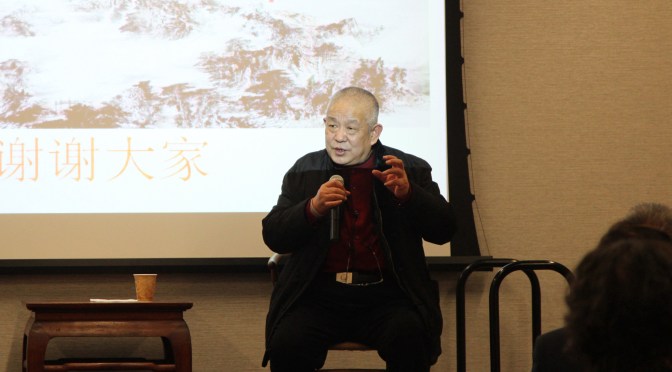

Ip-Wing Kong, an American Chinese entrepreneur, philanthropist, and Zen artist 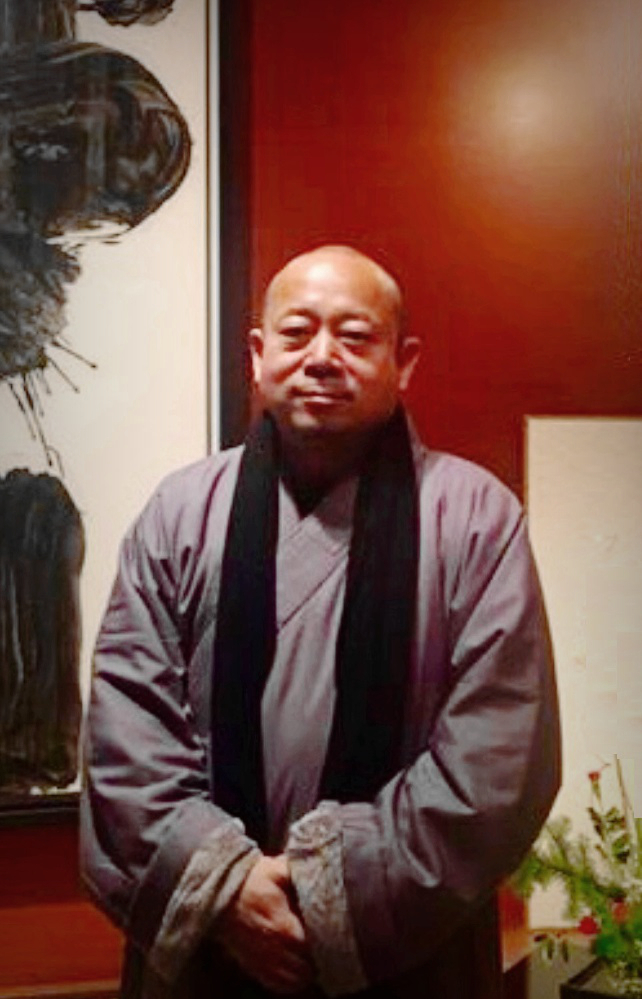
Venerable Zhi Xiang Shi (Miao Ding) 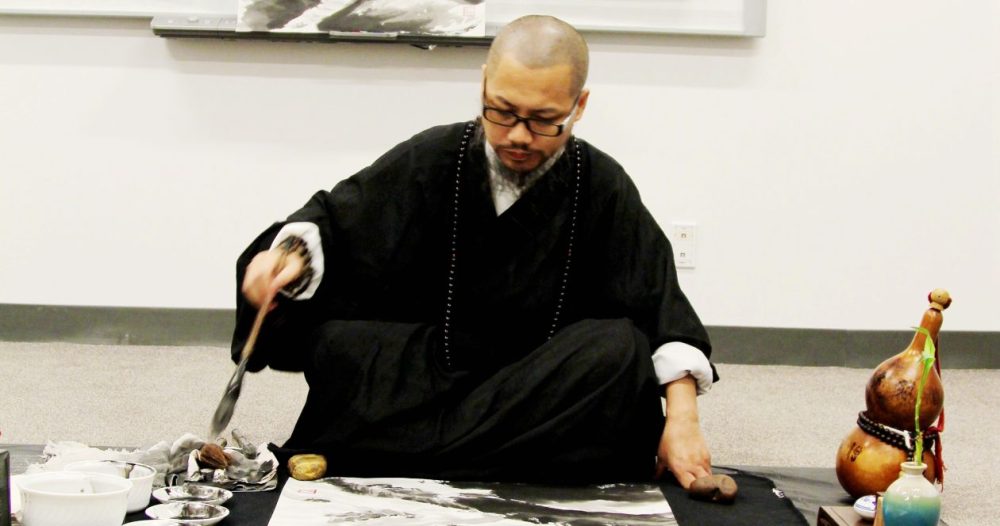
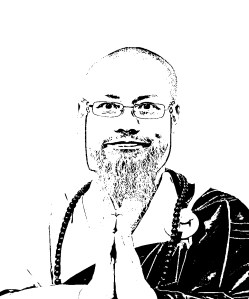
Venerable Master Yong Ci(Yi-Yun), also known in secular life as Yi-Xiong Gu, is an internationally renowned Zen artist and an instructor in Qimen Dunjia Divination. Currently, he serves as the abbot of the American Ci Bei Temple and the World Zen Art Center.
- Donation Announcement
- Ip-Wing Kong(鄺業榮) Zen Art
- In 2024, Venerable Master Shang-Yun sent a calligraphy of the word “福” (happiness)
- Appreciation of Chinese Calligraphy
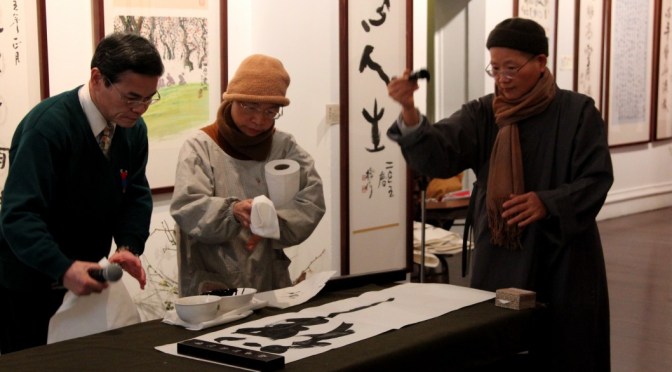
- Taiwan Ven. Shi-De of calligraphy and brush painting
- Housewarming Ceremony held at China Institute in New York
- Cross Culturalism on Long Island” photo exhibition opening
- Golden Eagle Institute Zen painting classes at the school April 8, 2014.
- Eileen Lin‘ s solo exhibition “Third Cultural World”




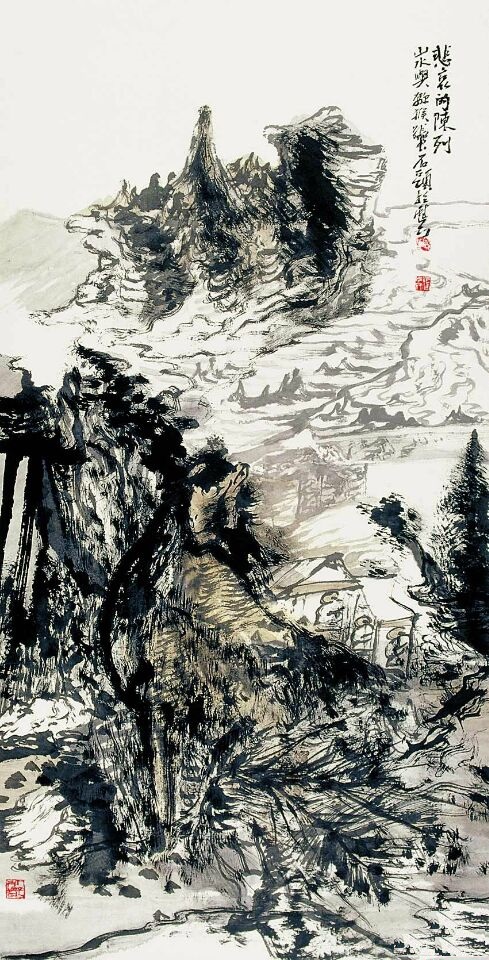
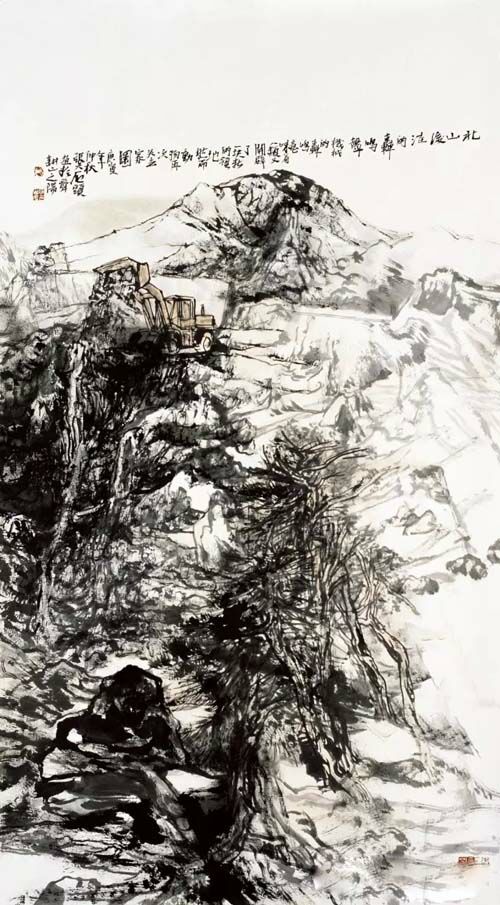
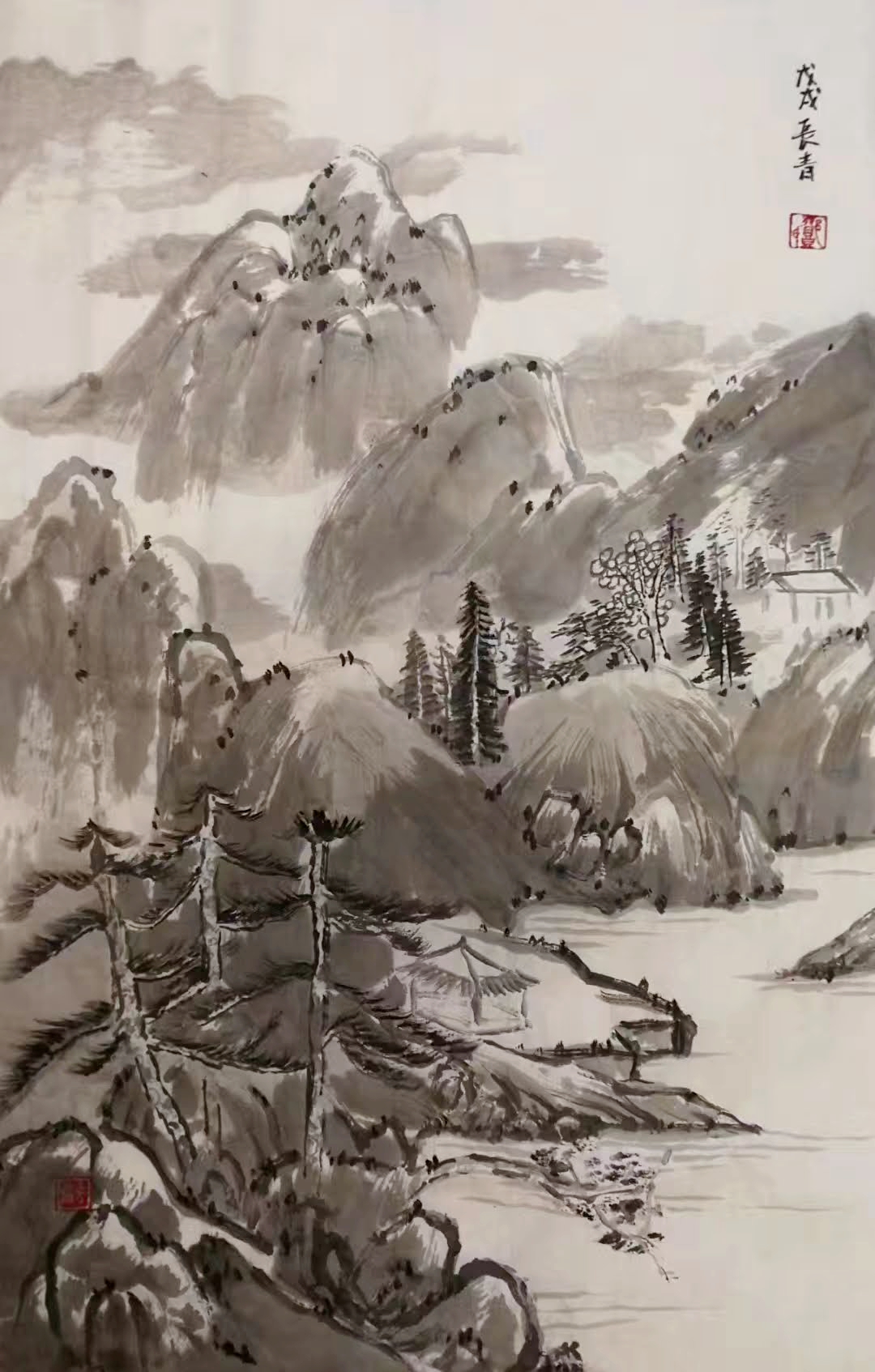
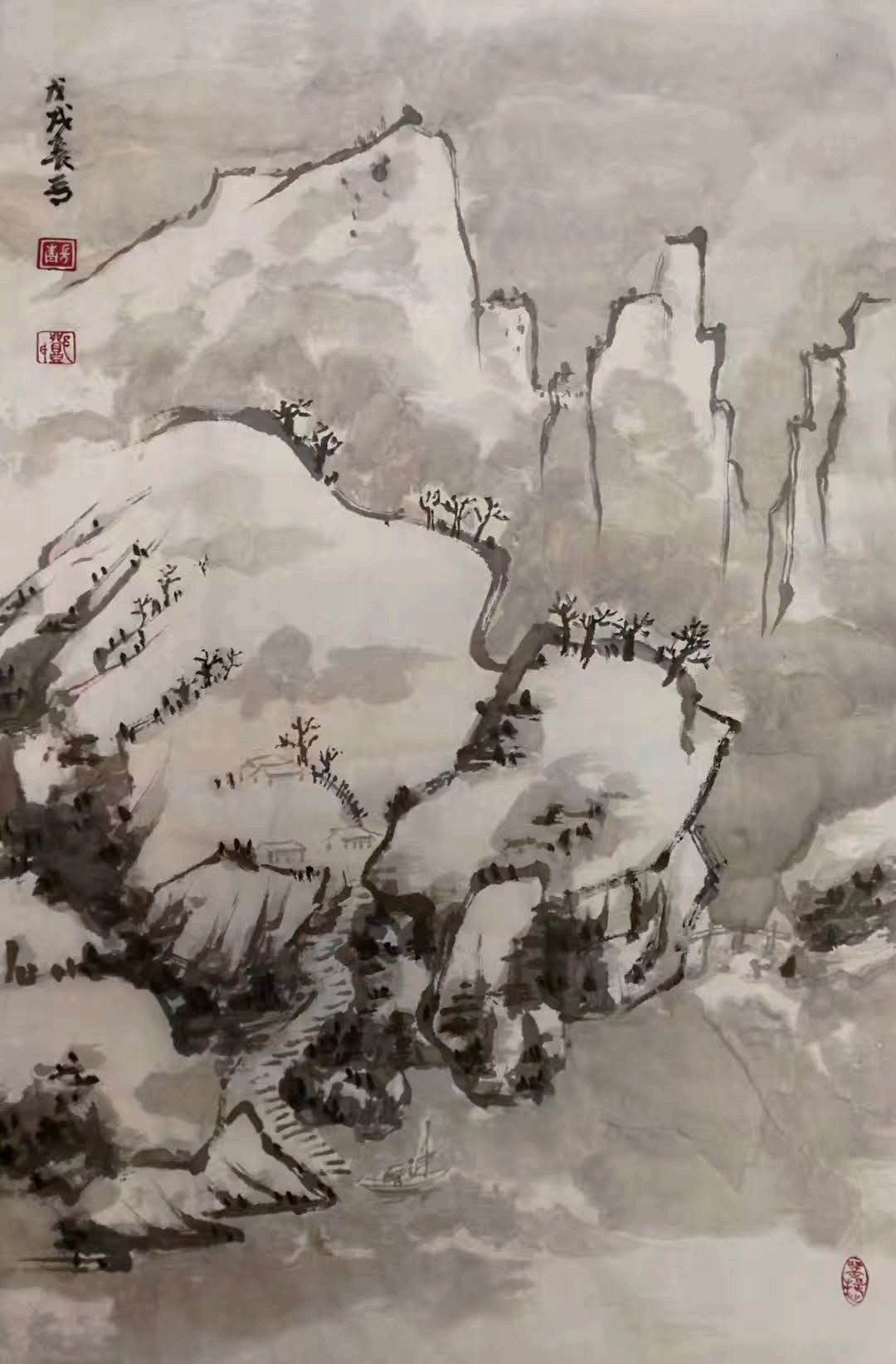

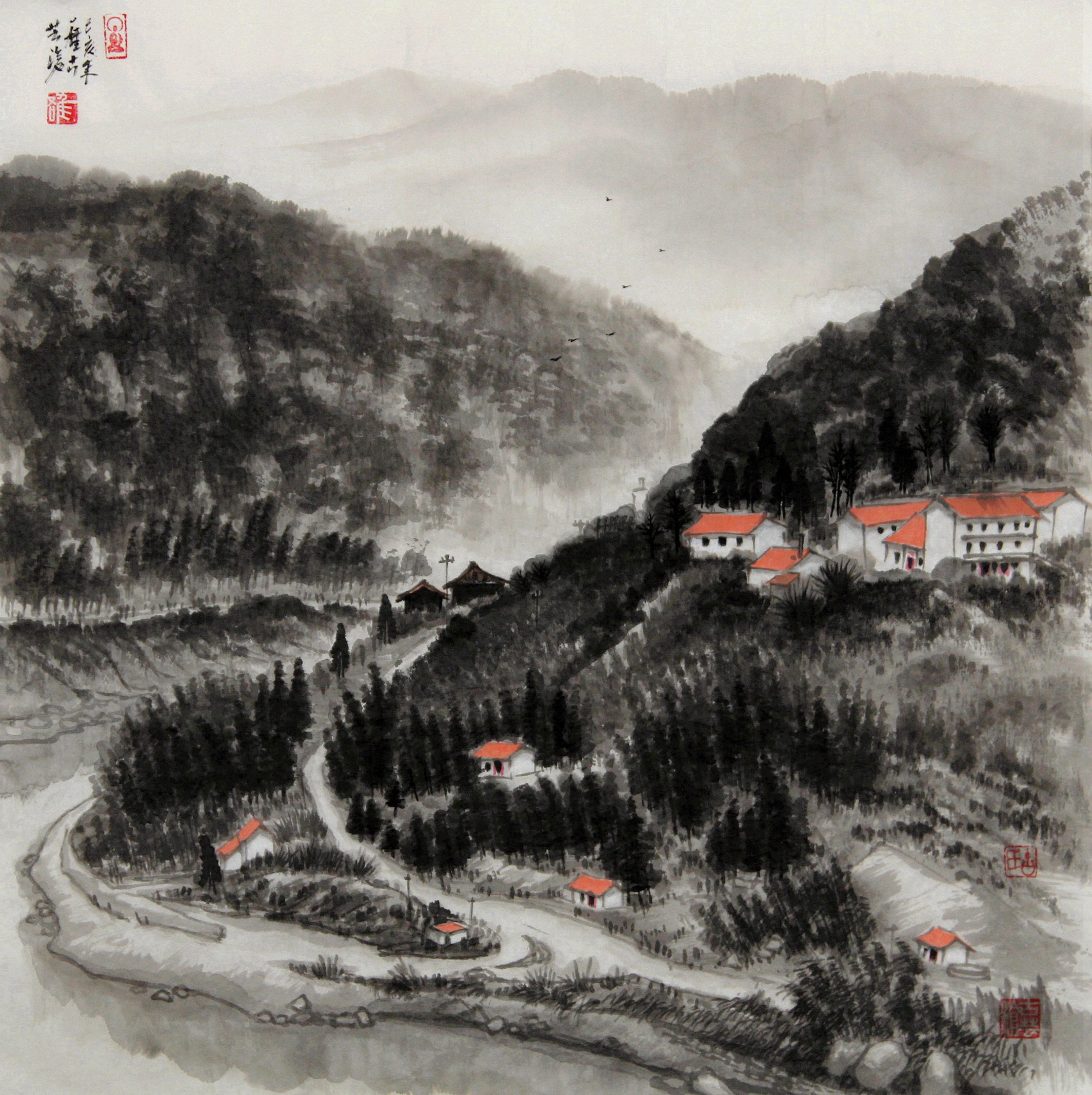
Master Yi Yun – Zen Enlightenment
Laozi said, “With the Dao but without techniques, techniques can still be sought; with techniques but without the Dao, one will be confined to techniques.” Zhuangzi said, “When techniques are governed by the Dao, they will flourish; but when they deviate from the Dao, they will fail.” Ancient wisdom also states: “The superior person employs the Dao, the average person employs techniques, and the inferior person relies on force.” Here, the Dao refers to the natural way, the way of all things, the way of the universe—essentially, the true path of the cosmos. The purpose of studying Buddhism and Zen is to understand the true nature of the universe and human life, leading to the enlightenment of prajna wisdom.
Recent advancements in genetic science have revealed that certain human consciousness and perceptions can be transmitted to the next generation through genetic material, influencing their thoughts and behaviors. This suggests that human consciousness and cognition are forms of energy that can be inherited, possibly explaining why certain animals instinctively know how to perform tasks like building nests without needing to learn them. Thus, human consciousness and perceptions can be seen as encompassing both positive and negative, optimistic and pessimistic tendencies, all of which are tied to genetic inheritance. However, this differs from the immutable laws and truths of the universe.
On one hand, consciousness and instincts can be inherited by the next generation, requiring personal cultivation and elevation to achieve prajna enlightenment. On the other hand, there are the universal truths and laws of all things. Therefore, the goal of studying Buddhism and Zen is to penetrate these universal laws and truths, which in turn leads to liberation and the attainment of the prajna wisdom that Buddha spoke of.
With this wisdom, one transcends ordinary abilities, potentially acquiring what might be perceived as supernatural powers. This naturally leads to the great compassionate heart of Buddhism, which actively seeks to save all sentient beings. Such a person, firmly rooted in the Dao, avoids the pitfall of relying solely on techniques, ensuring that these techniques will succeed. Thus, the Buddhist Zen emphasis on liberation, letting go, enlightenment, and the cultivation of good thoughts in Buddhism is akin to a powerful method for changing one’s destiny. Only through such cultivation can one align with the Dao, ensuring success in techniques, which ultimately leads to seeking good fortune, avoiding misfortune, and changing one’s destiny, culminating in the state of Nirvana as described by Buddha.

